
DUNEHOUSE
Atmosphere ... the uniqueness of every moment ... endless dune beaches! To live by the sea - to touch eternity, to observe the changes of every future day, to see off the day ... the sea is always unique, different, since it exists, since we know about it ... The North Sea is stern, monochrome, ascetic ... but on sunny days it admires the play of colors! In a storm, on the contrary, the spontaneous powerful, imperious, unpredictable ... To live on the shore - to understand about the sea much ... peering into an endless horizon and catching a glimpse passing large ocean liners glowing in the night ... or in the early summer morning to meet the fishing boats with a small catch and feel the endless cycle of life ... in your unique, in your unique, once-created space ...)
Not a big work of art on the dune) 100 meters from the Baltic Sea ... concrete, wood and glass ... it must resist the elements !!!!! ... salty water ... the sun and the wind ... ... the manifesto minimalism! Everything you need here and now! The hedonist's residence: all in one volume, and outside the Baltic North Bay ... up to the horizon and an endless sandy beach ...
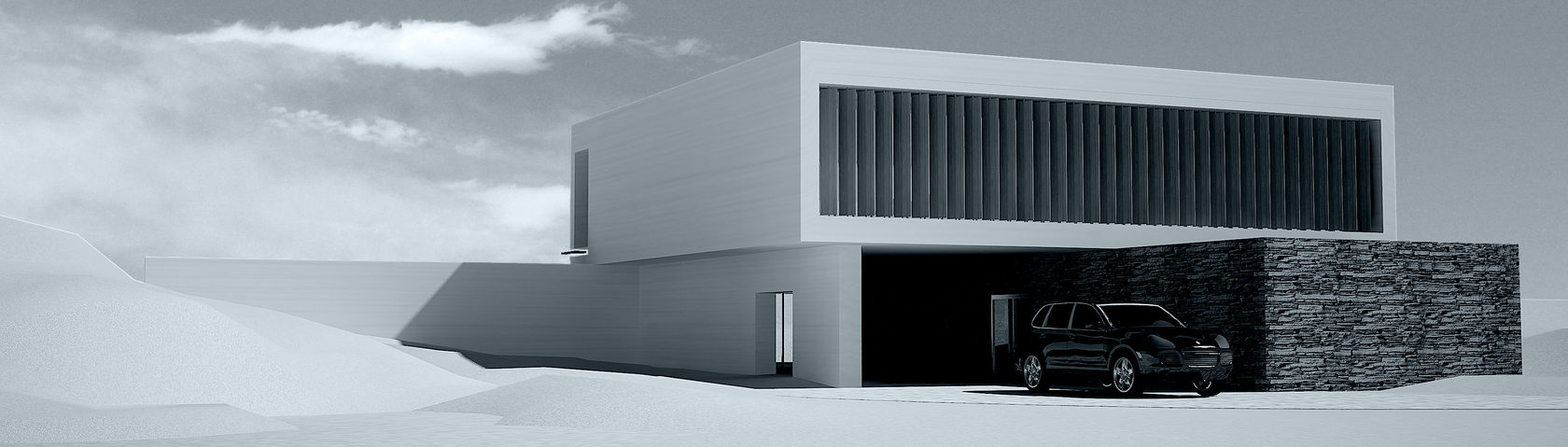
SEABOX
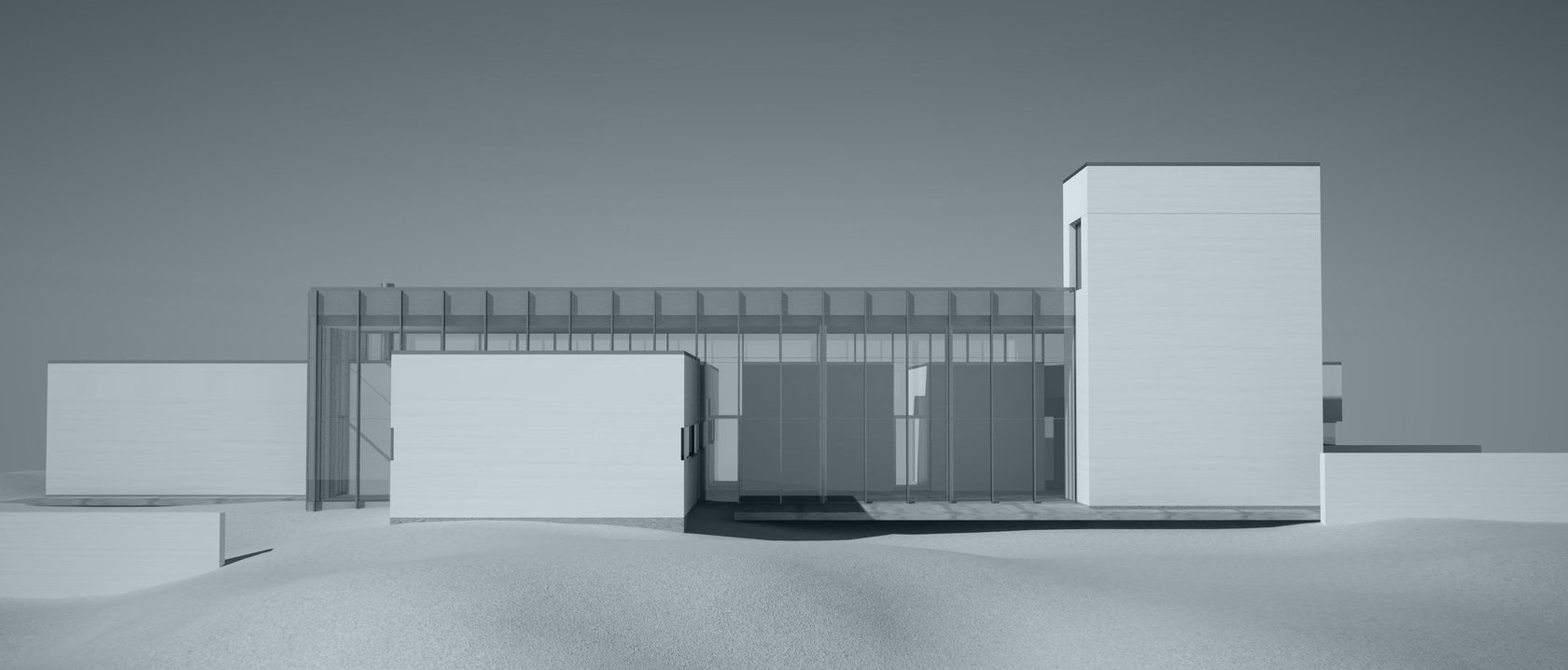
LAIMA)
THE HOUSE OF THE STAGE ... the theater !!! ... the game of volumes ... of light and sensations ... intimate monolithic residential blocks are grouped around a glass pavilion where ALL ... children, adults, guests and dogs can gather ...) amazing view of the sea, dunes and forest ... 6 meters of the height of the pavilion, on the metal pylons, create a sense of lightness and transparency ... The house is like an illusion and an obsession, it is opened and closed at the same time ... The tower, like a lighthouse, with a viewing platform and terrace on the roof ... that's where the spaciousness and delight from the fabulous views of the sea! ... the picture changes constantly ... color, light, mood and ex
... the architect's house, is located on the natural terrain and is a logical continuation of it ... and at the same time, it is literally a reliable base for a glass parallelepiped - a studio that seems to float in SPACE !!!
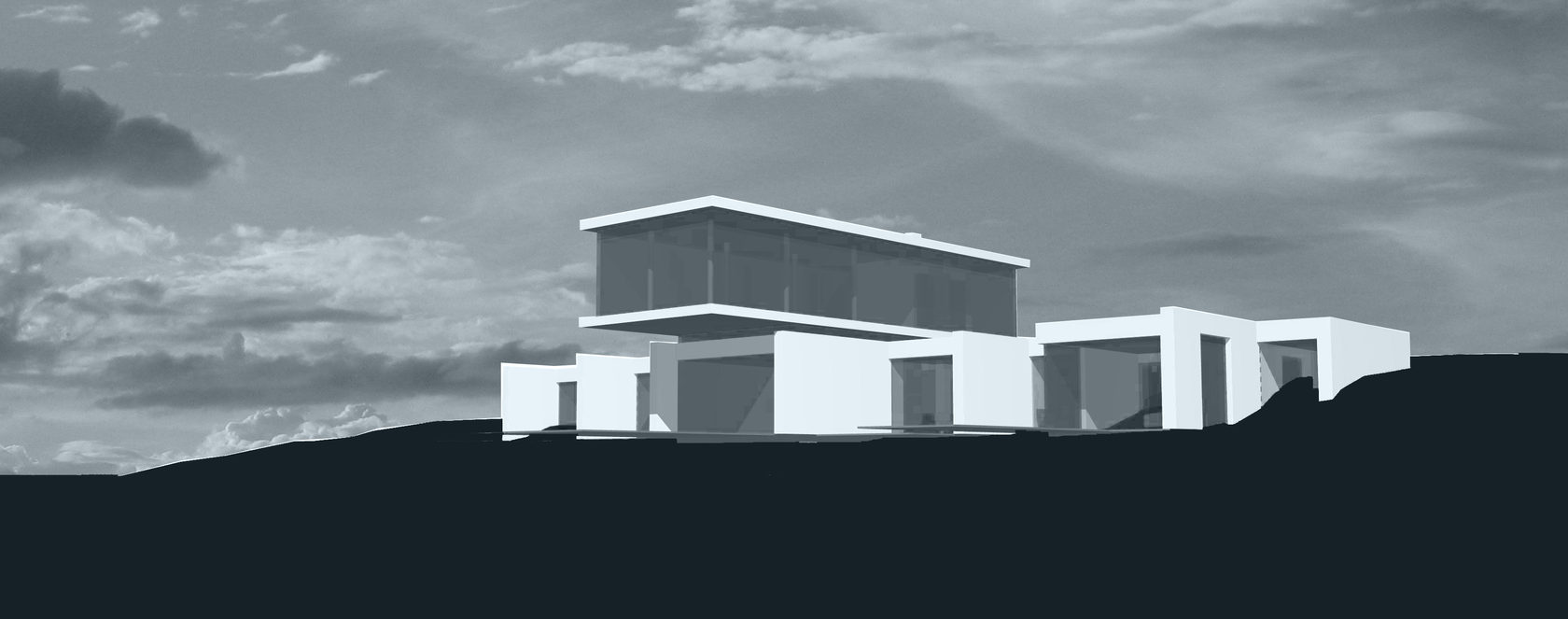
INNОHOUSE
EXERSYS) is almost a joke - the Spa and the fence in one person ... and it looks serious)))
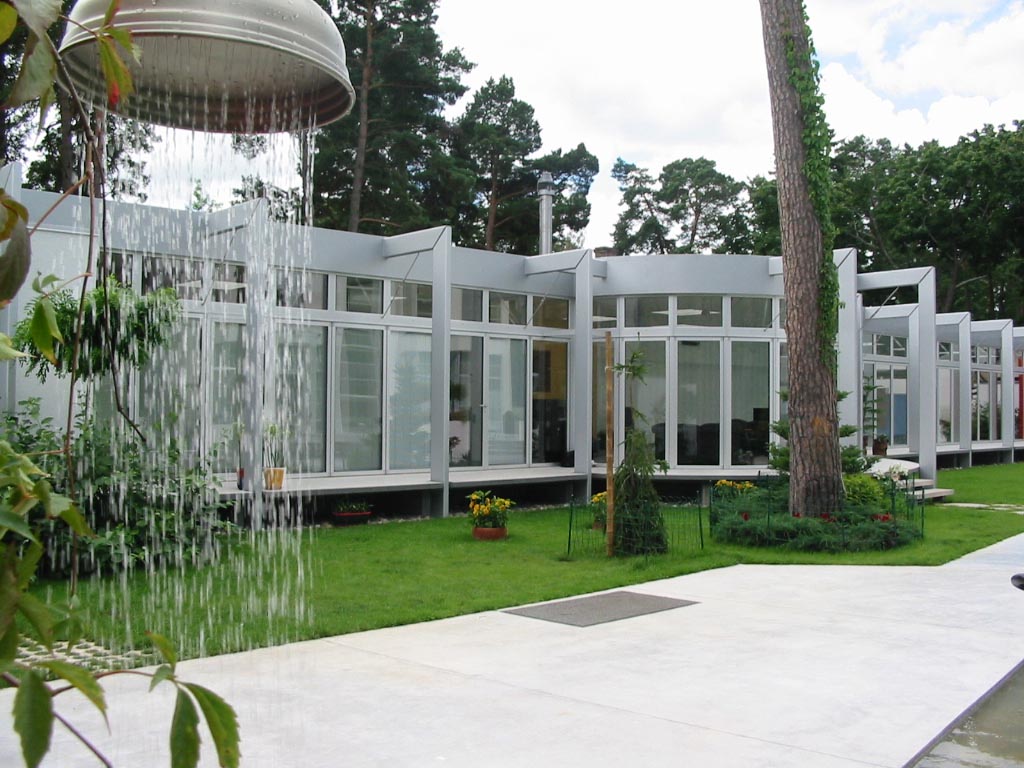
LAIMAPOOL
TOUCHING THE JAPANЕSЕ STYLЕ
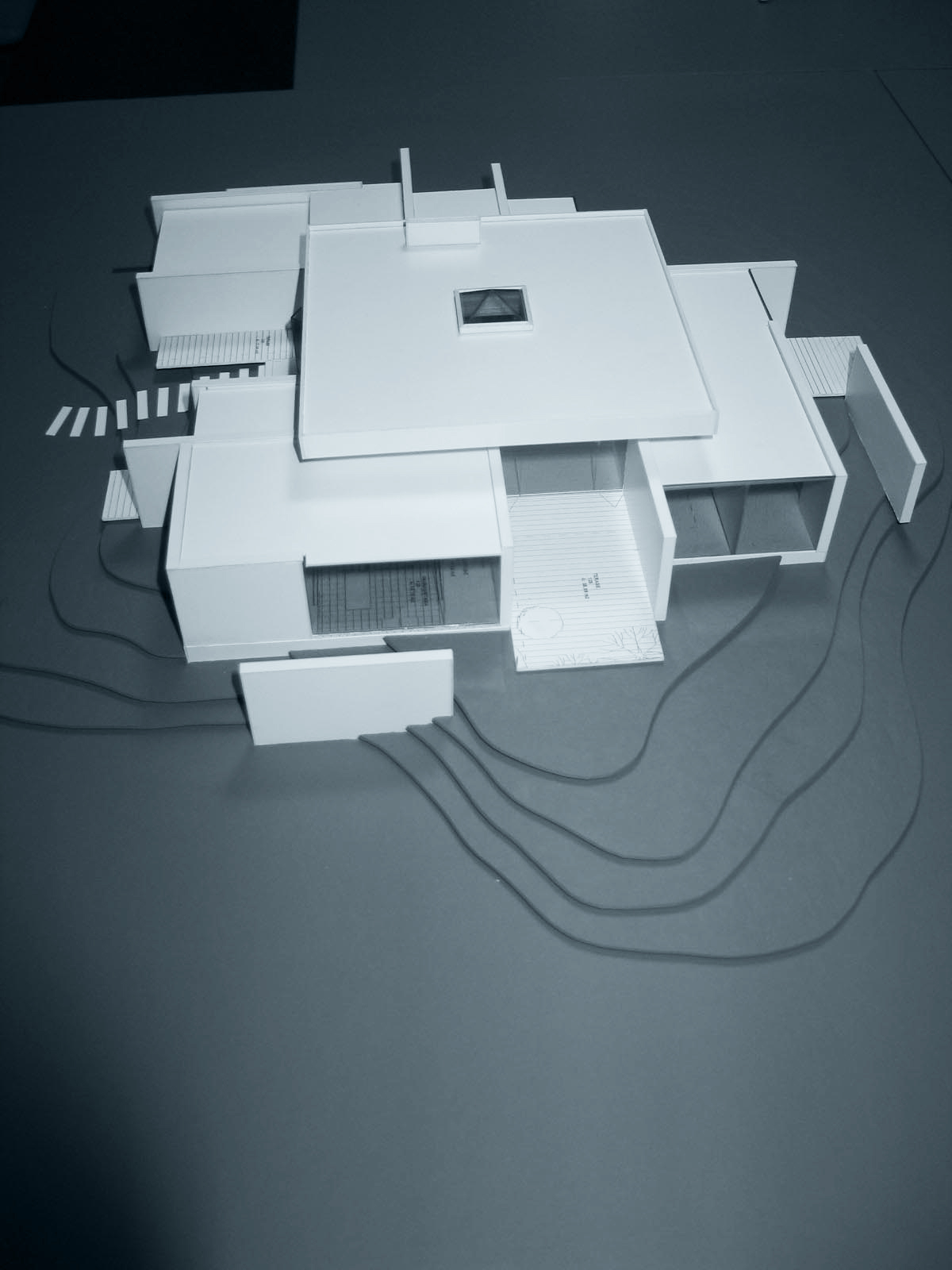
The Japanese say: "Building a house, we first open the umbrella in the form of a roof, so that a shadow falls on the ground, and then we settle in this shadow ..." The Japanese house is primarily a roof that rests on a frame
in the house there are no windows, no doors, in the usual sense ...
In each room, at any time, three walls of four can be moved apart or removed!
First the land, then the stone, after the wooden flooring - in the rooms special mats made from pressed rice straw - tatami. The dimensions of the rooms are measured by tatami ... the usual dimensions of which are 900x1800mm. The traditional house is one-storeyed, raised above the ground on piles and surrounded by wooden platforms, overheads - canopies covering from the rain and sun ... occupies the entire plot granted to it ... the principles of the Japanese house imply the obligatory connection with the surrounding garden and thoughtful views from all the premises .
We have combined the basic principles of the traditional Japanese house with the achievements of modern technologies: large-scale display glass, energy-saving glass with sun-spraying, a thin calculation of air movement and synchronization with the cooling and heating system, etc ...
In the central volume, structural beams were used with a span of nine meters - this made it possible to make the glass facades as clean as possible, and the views from the windows being more extended ... the sliding doors, as a result of this decision, also gained a significant advantage in opening. In the house there are seven exits to the sites located along the perimeter, they communicate the interior space of the house with landscaping ... the views from the windows are thought out in advance and are an integral part of the whole IDEA OF THE HOUSE AS THE TRANSPARENT SPACE FILLED WITH ENERGY OF NATURE) ...
in the house there are no windows, no doors, in the usual sense ...
In each room, at any time, three walls of four can be moved apart or removed!
First the land, then the stone, after the wooden flooring - in the rooms special mats made from pressed rice straw - tatami. The dimensions of the rooms are measured by tatami ... the usual dimensions of which are 900x1800mm. The traditional house is one-storeyed, raised above the ground on piles and surrounded by wooden platforms, overheads - canopies covering from the rain and sun ... occupies the entire plot granted to it ... the principles of the Japanese house imply the obligatory connection with the surrounding garden and thoughtful views from all the premises .
We have combined the basic principles of the traditional Japanese house with the achievements of modern technologies: large-scale display glass, energy-saving glass with sun-spraying, a thin calculation of air movement and synchronization with the cooling and heating system, etc ...
In the central volume, structural beams were used with a span of nine meters - this made it possible to make the glass facades as clean as possible, and the views from the windows being more extended ... the sliding doors, as a result of this decision, also gained a significant advantage in opening. In the house there are seven exits to the sites located along the perimeter, they communicate the interior space of the house with landscaping ... the views from the windows are thought out in advance and are an integral part of the whole IDEA OF THE HOUSE AS THE TRANSPARENT SPACE FILLED WITH ENERGY OF NATURE) ...
A small, studio type ... with a well developed first level, with all the necessary set of rooms and access to the site of improvement, is logically located on the site granted to it. The only volume of the second level is the basis of the composition! A significant bonus - a delightful view of the lake and its surroundings, opening from the windows of bedrooms!!

MERC+
A small, studio type ... with a well developed first level, with all the necessary set of rooms and access to the site of improvement, is logically located on the site granted to it. The only volume of the second level is the basis of the composition! A significant bonus - a delightful view of the lake and its surroundings, opening from the windows of bedrooms!

JAPAN2
TAURENI
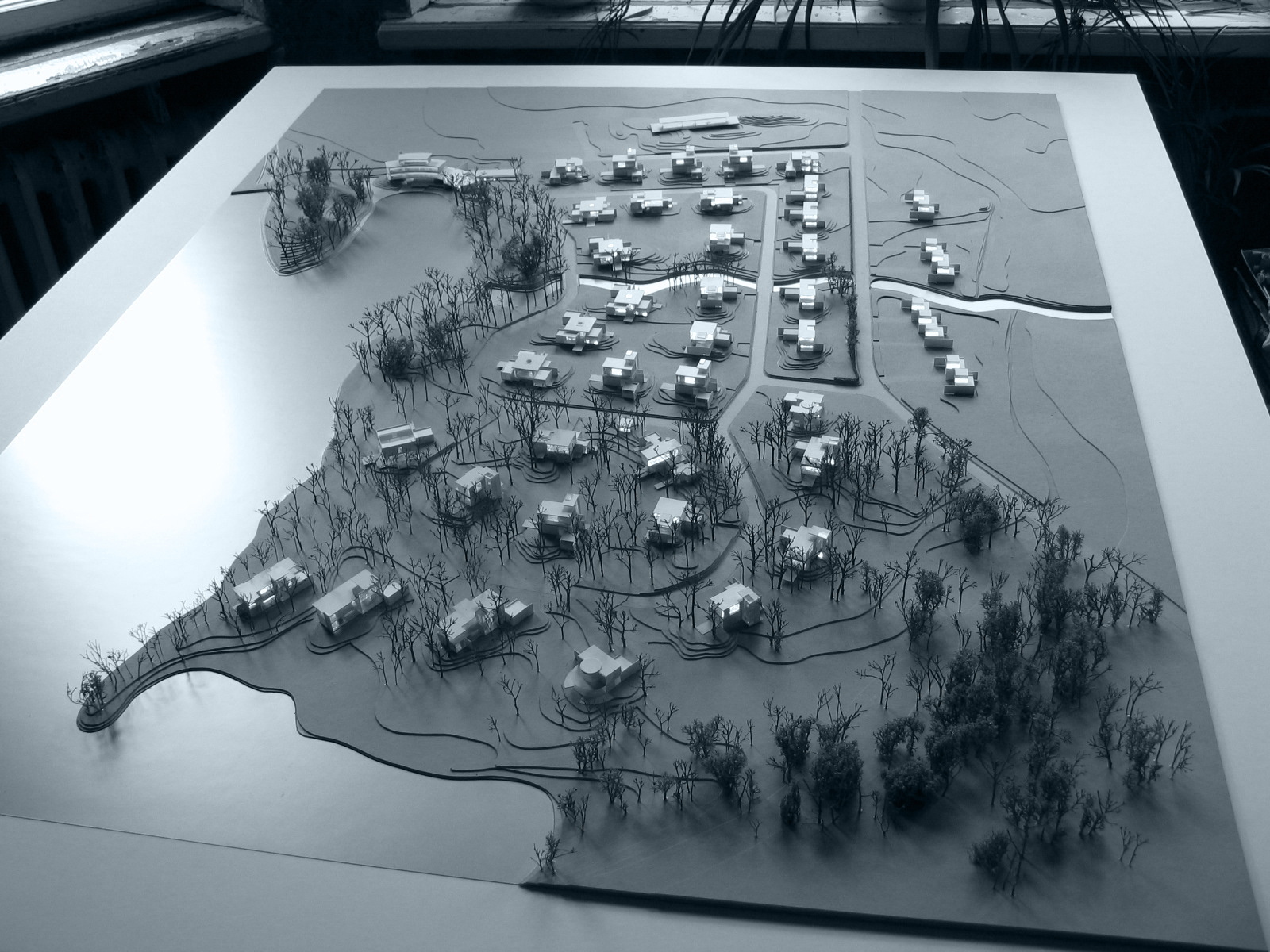
... a place, a place and once again a place, here are three main components for the success of a good idea! A magnificent lake framed by a pine forest with a "boring" terrain has become the place that determined a lot: the style of life, the quality of living, the formation of a new type of environment and of course the unique image of the building ... A small closed type village blended well with the natural landscape and, became the new direction of our recognizable style!
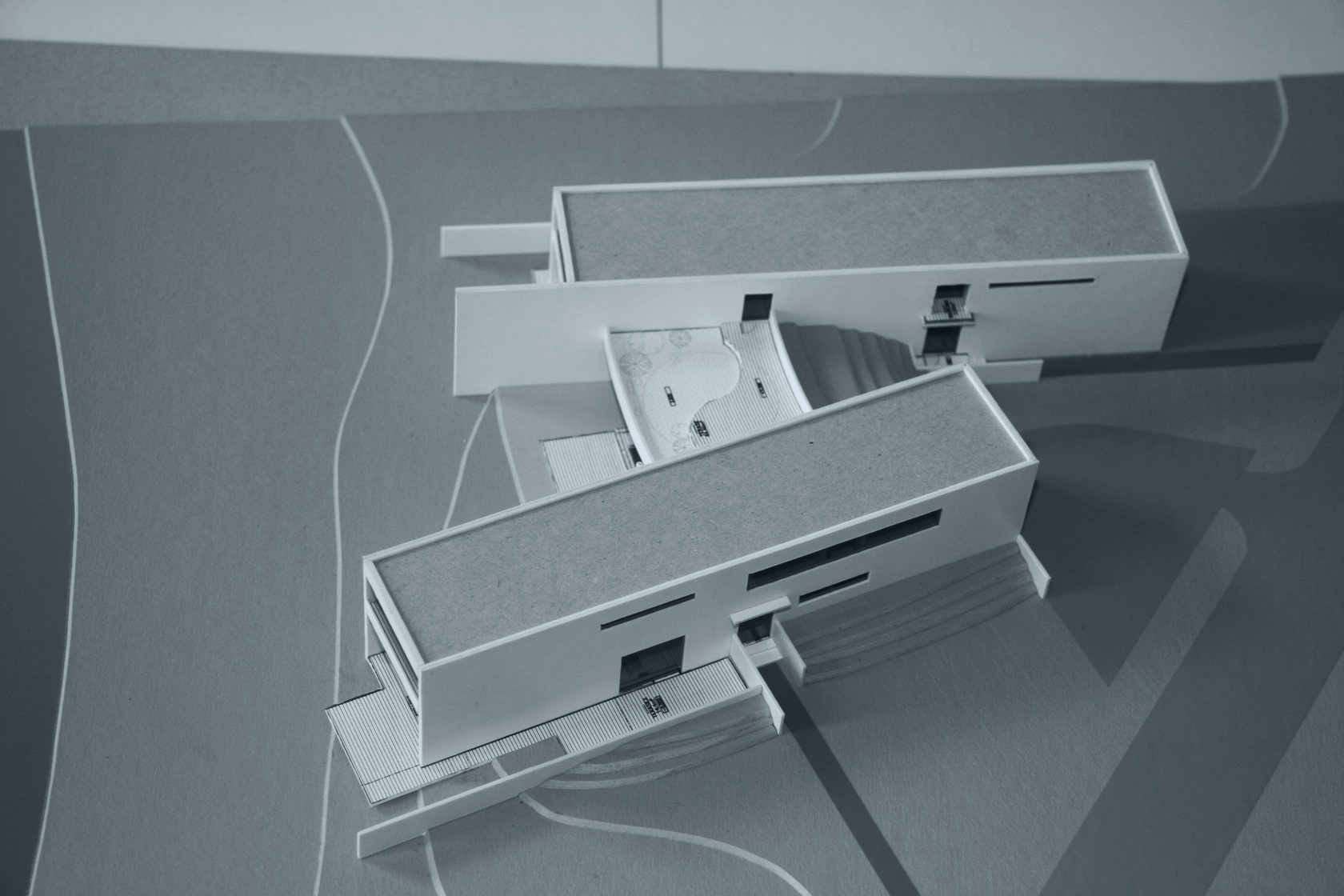
... for two friends: these are the same and so different! Two spaces connected by one idea: to be together and live with pleasure! The general observation deck with a view of the lake and everything for rest under it ... there is a sauna, a small swimming pool and sports simulators. Two independent narrow volumes are united by a common space for outdoor activities. The proportions of each house are determined by the idea of a sufficient view of the lake, for the same reason the houses are slightly shifted relative to each other. Communication between neighbors is possible both on the first and second floors, at will, of course ... otherwise, of course, these are two different houses, which take into account the special wishes of each client! Each has a separate area with a view of the lake, a separate main entrance and other private spaces formed by walls of landscaping of natural stone.
CATAMARAN
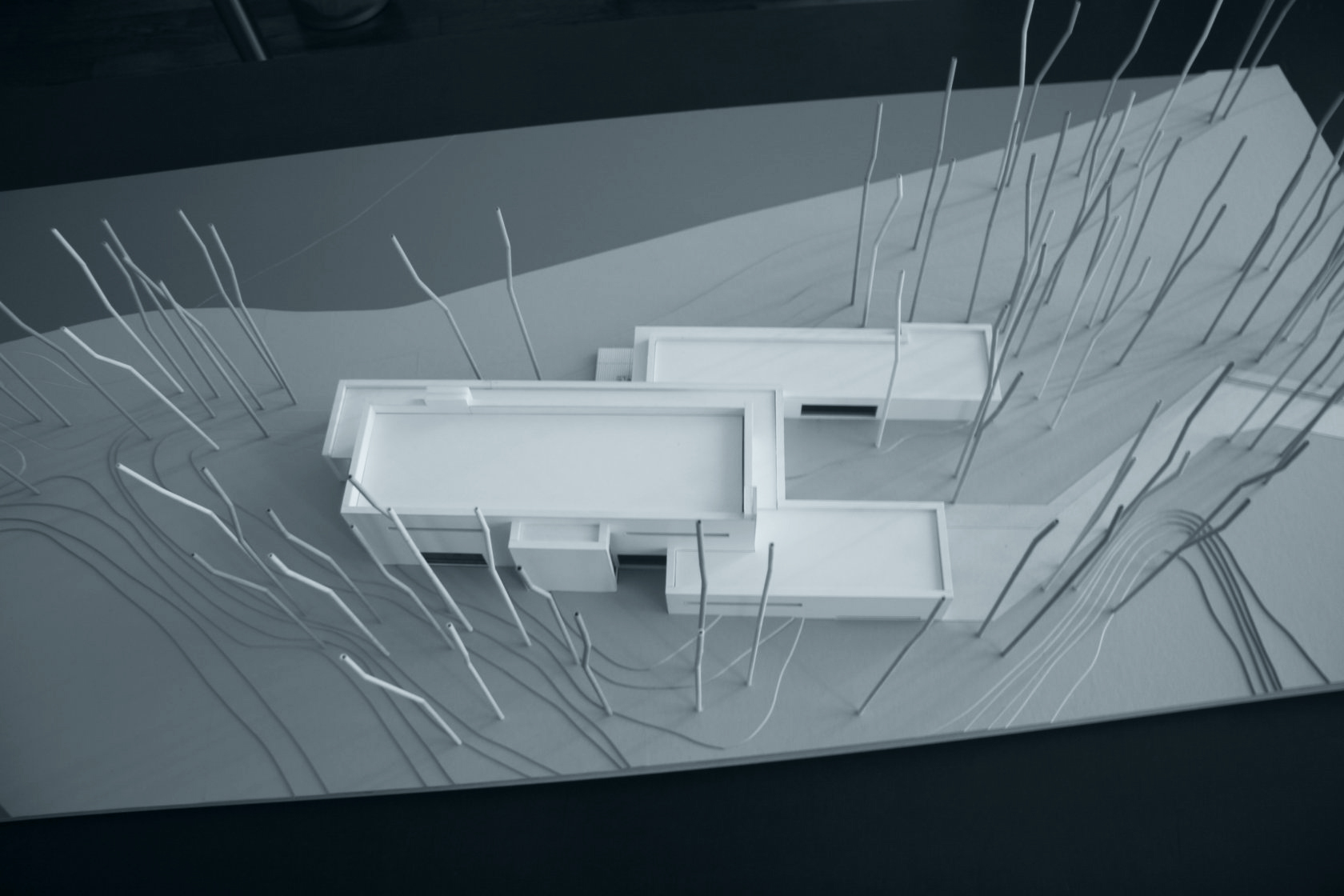
... a unique site for a unique house - a peninsula that stands out far ahead of the lake ... narrow, long, surrounded on three sides by a water surface. The building almost completely repeats the shape of the site, reminding yourself of a floating ship! Here there is no front door, facades in the usual view of this word ... everything is subordinated to the function, the comfort of living in the house and the views opening from the numerous windows ... The spacious terraces on the roof and around the house, even more give the building a resemblance to the double decker ... sports pool, to it areas for approaching the water, a large studio with windows on three sides and spacious bedrooms with terraces on the second floor ... everything is logical and simple, subject to the natural nature of things ...
TAURENS
... one day, on a warm spring evening, sitting on the shore of a beautiful forest lake with your close friends, we just enjoyed the conversation and admired the beautiful views on the opposite shore ... Some of us noticed that it was good to settle here, in a lost world, away from the bustle of city streets, living in harmony with nature for a long time, and perhaps even for good!
And what was our surprise when after a while we were invited to a new project in this very place and became direct participants in the birth of this idea!
And what was our surprise when after a while we were invited to a new project in this very place and became direct participants in the birth of this idea!
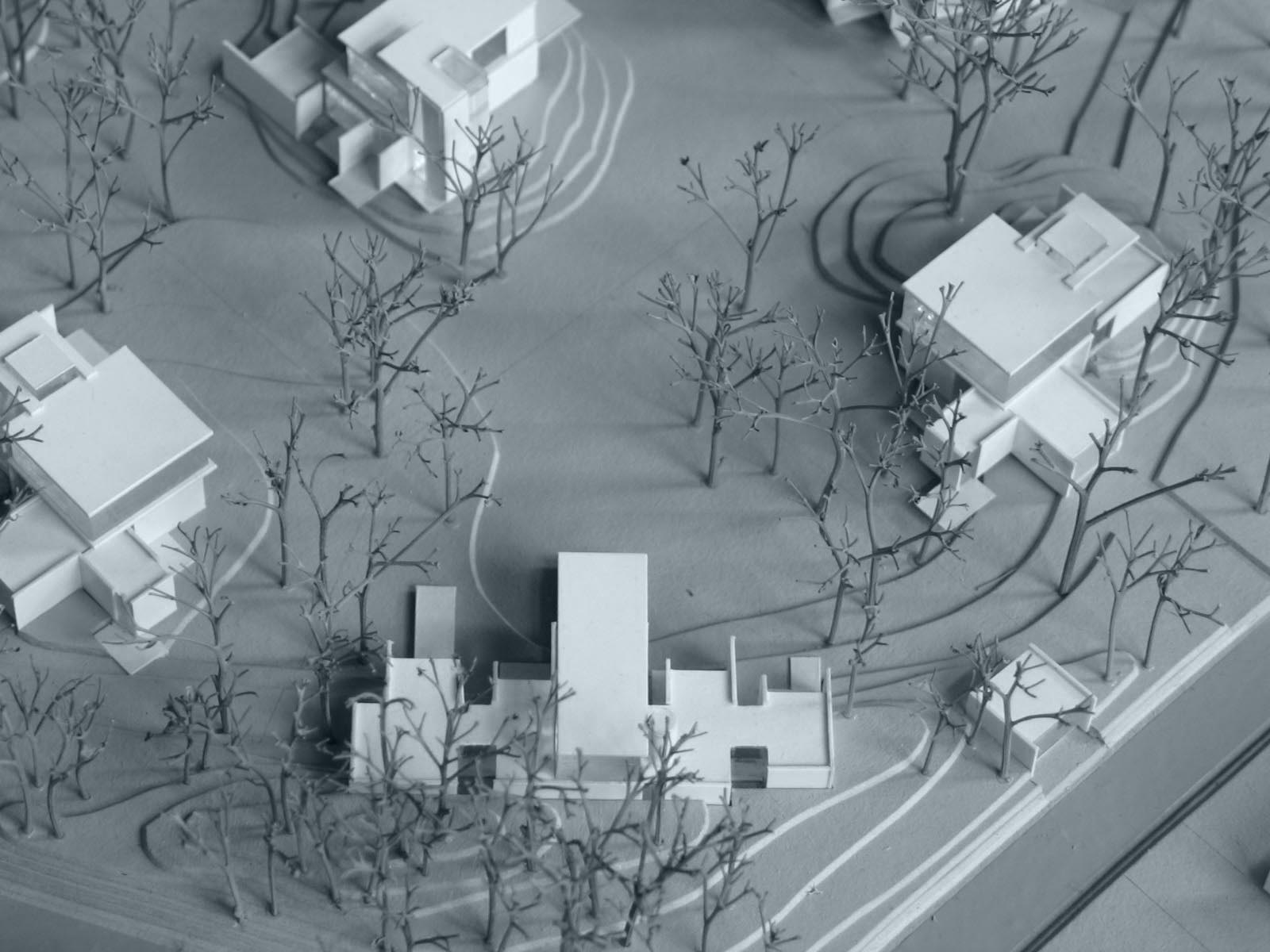
ISOURS
... light and airy, two volumes are connected by a bridge, a spacious living room is framed on both sides by high windows - through it we can see the lake ... The house gradually descends, repeating the outlines of the relief - at the end there is a glass pool, it is also a summer terrace!
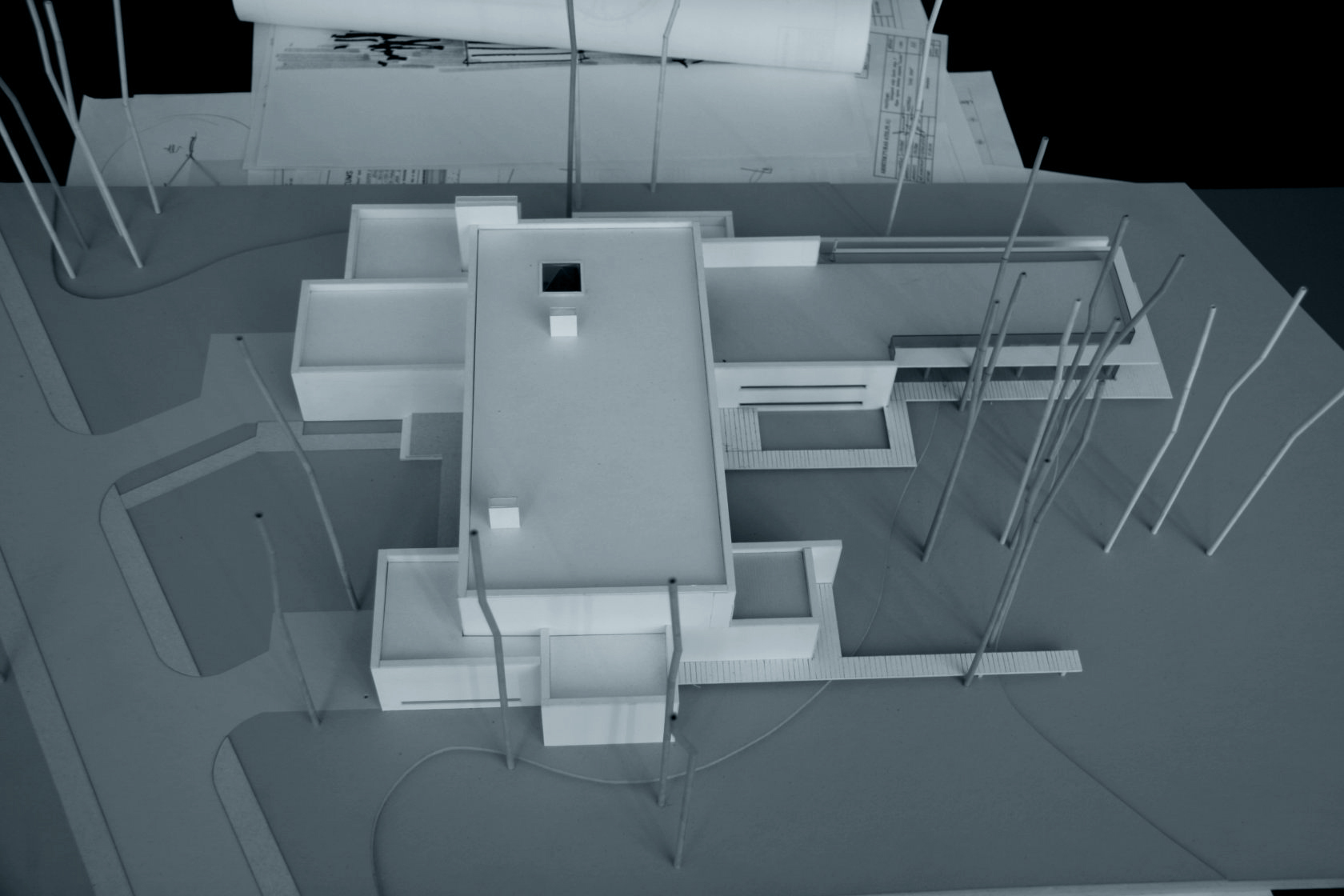
BREEZE
Located on the shore of a picturesque forest lake, it was created as a space for unhurried contemplation of the changing seasons and natural phenomena ... The first level is built into the artificial relief and gives the main view of the lake, the second one has access to its own site and provides maximum circular view .. .
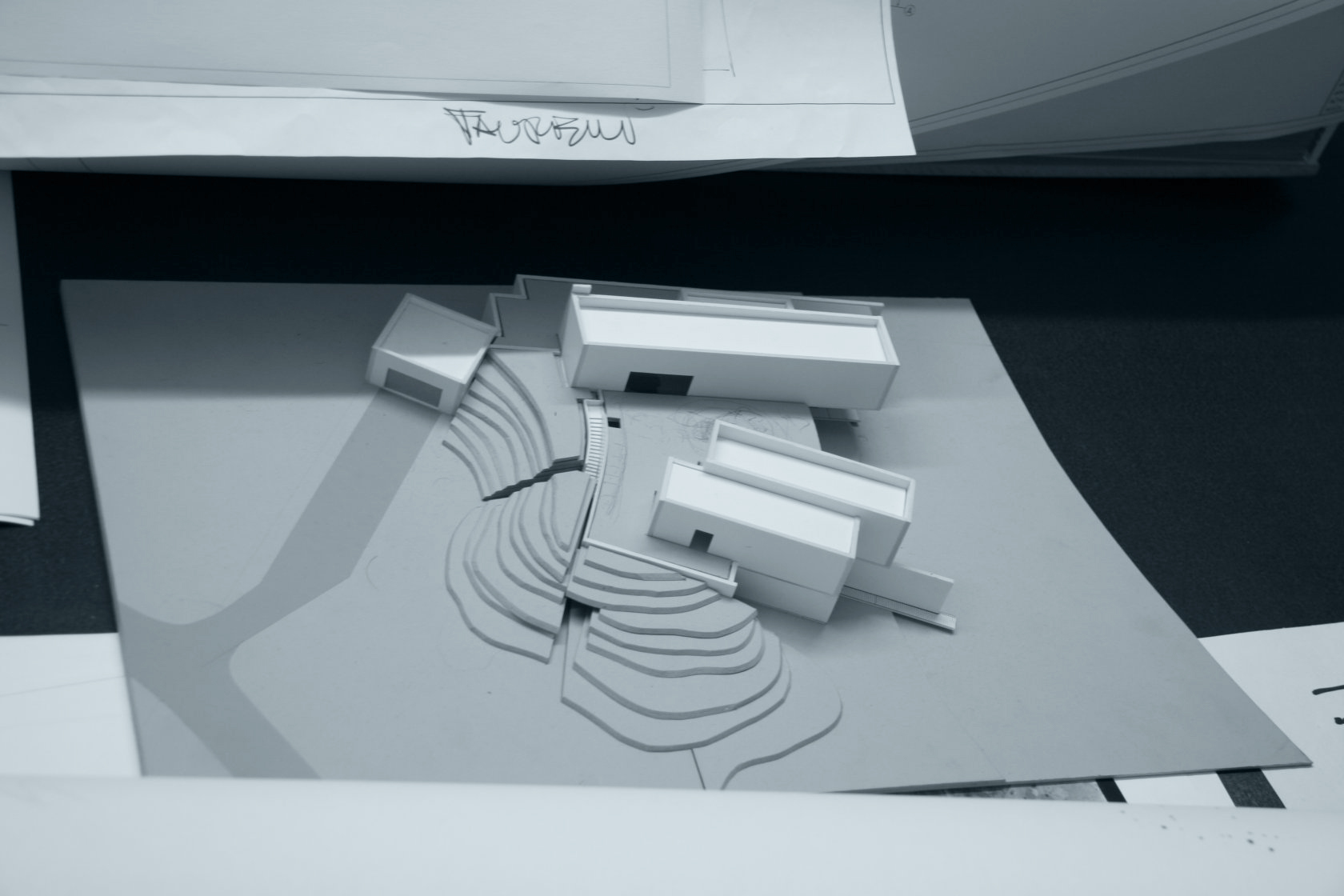
PANORAMIC HOUSE
... movement only vertically! The main thing is a tower, with a spiral staircase leading to the roof of the house, and there is a viewing platform overlooking the lake's surroundings! On the way: - Living room with exit directly into the forest, then - bedrooms with windows facing the sunrise, and even higher - only a studio with its terrace above the tops of green pines!
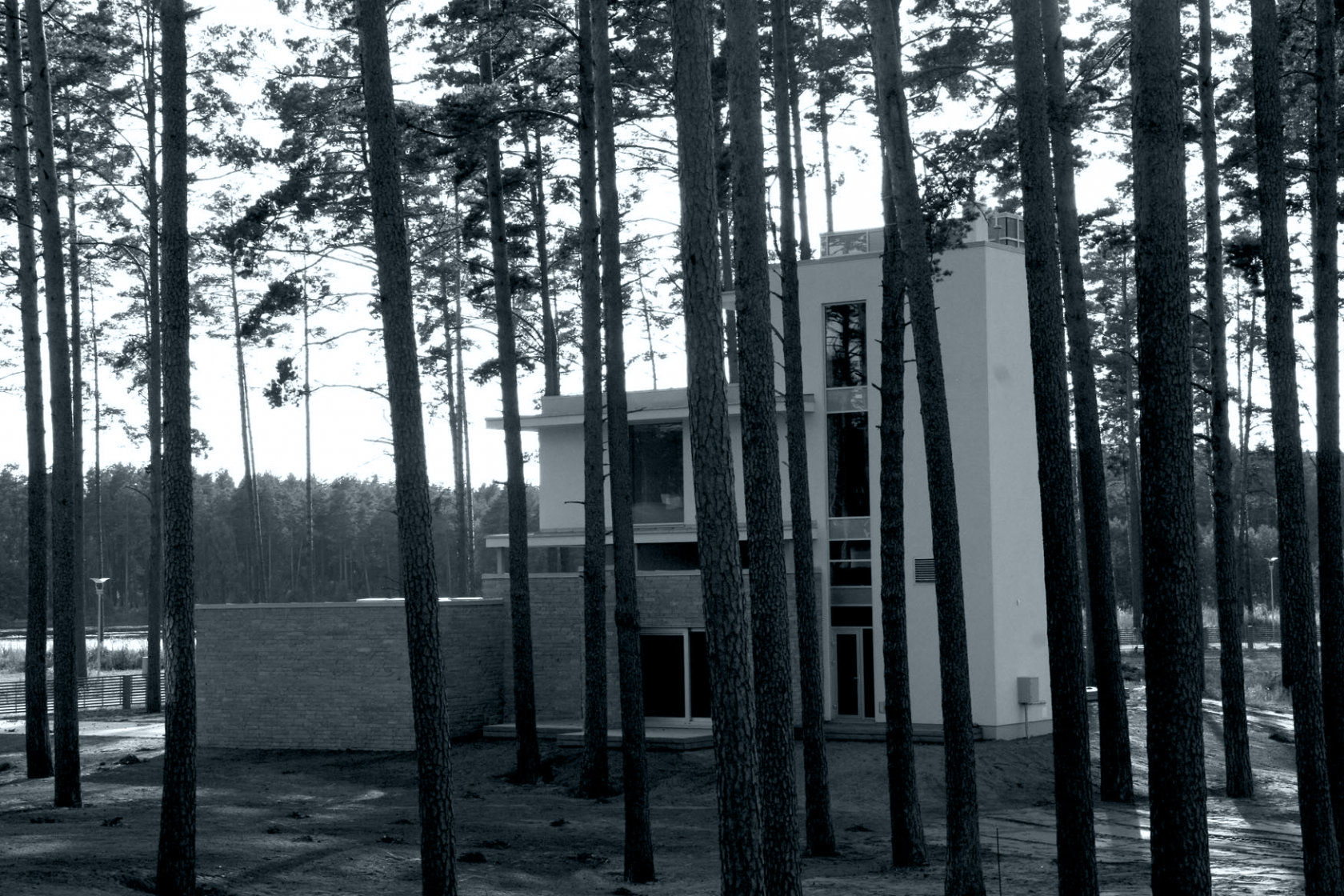
TORNIS
... this is a special philosophy of the living space, dictated by the self-sufficiency of the individual, and as a consequence, the priority of the internal space over the outer appearance of everything ... and therefore, the best views from the windows of the house become more important than its external respectability!
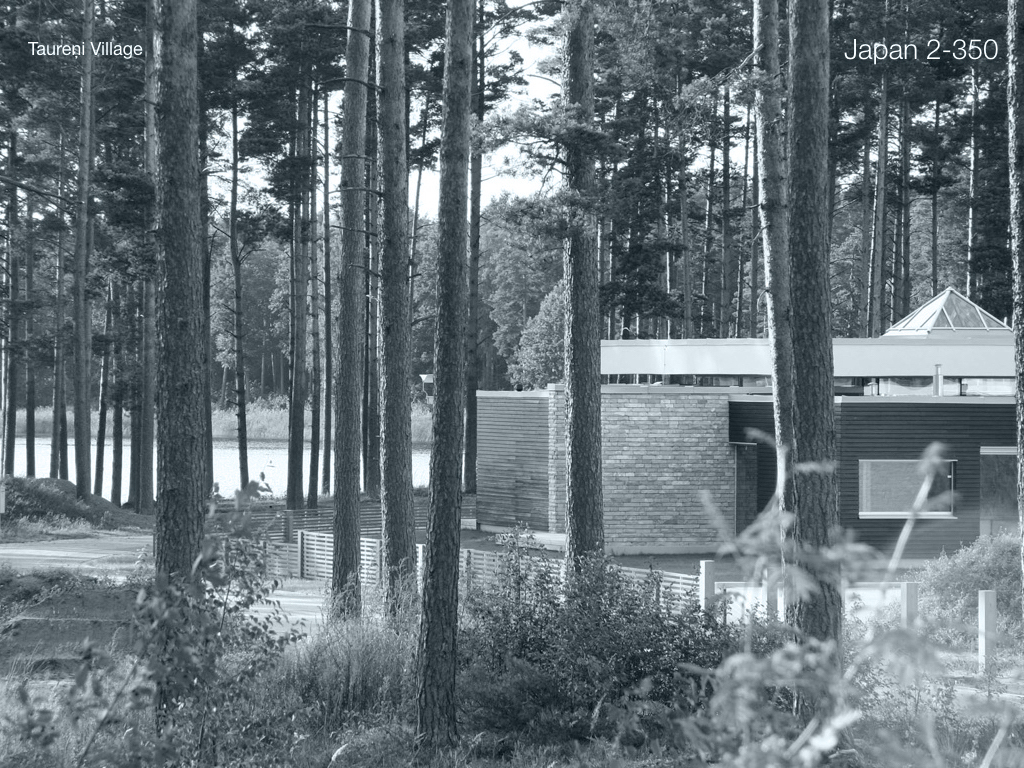
JAPAN
... not in the form and materials, but according to the basic principles! There is no hint of a direct resemblance, but there is a follow-up to Japanese traditions: there are numerous grounds around the house, sliding doors that allow them to exit at once in several places, large canopies above them, sheltering from the rain, walls leaving far outside - all these combined techniques allow you to greatly change the visible boundaries of the house - they simply cease to exist!
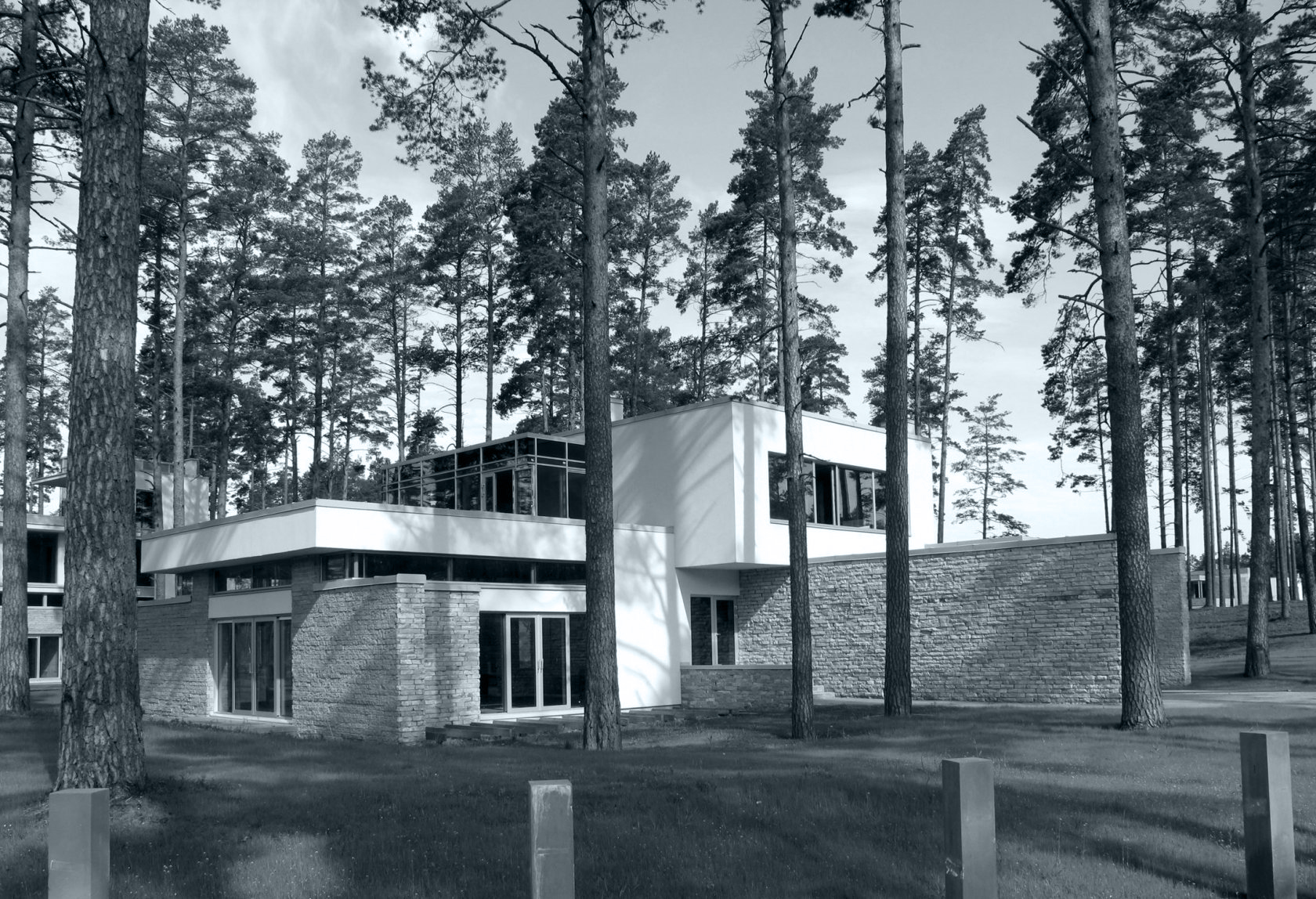
GAME IN JAPAN
... this way from idea to realization! When people come and life begins, in a space once created, in your imagination, when the idea is finally embodied and can live without you, and you let go of it and just keep going!
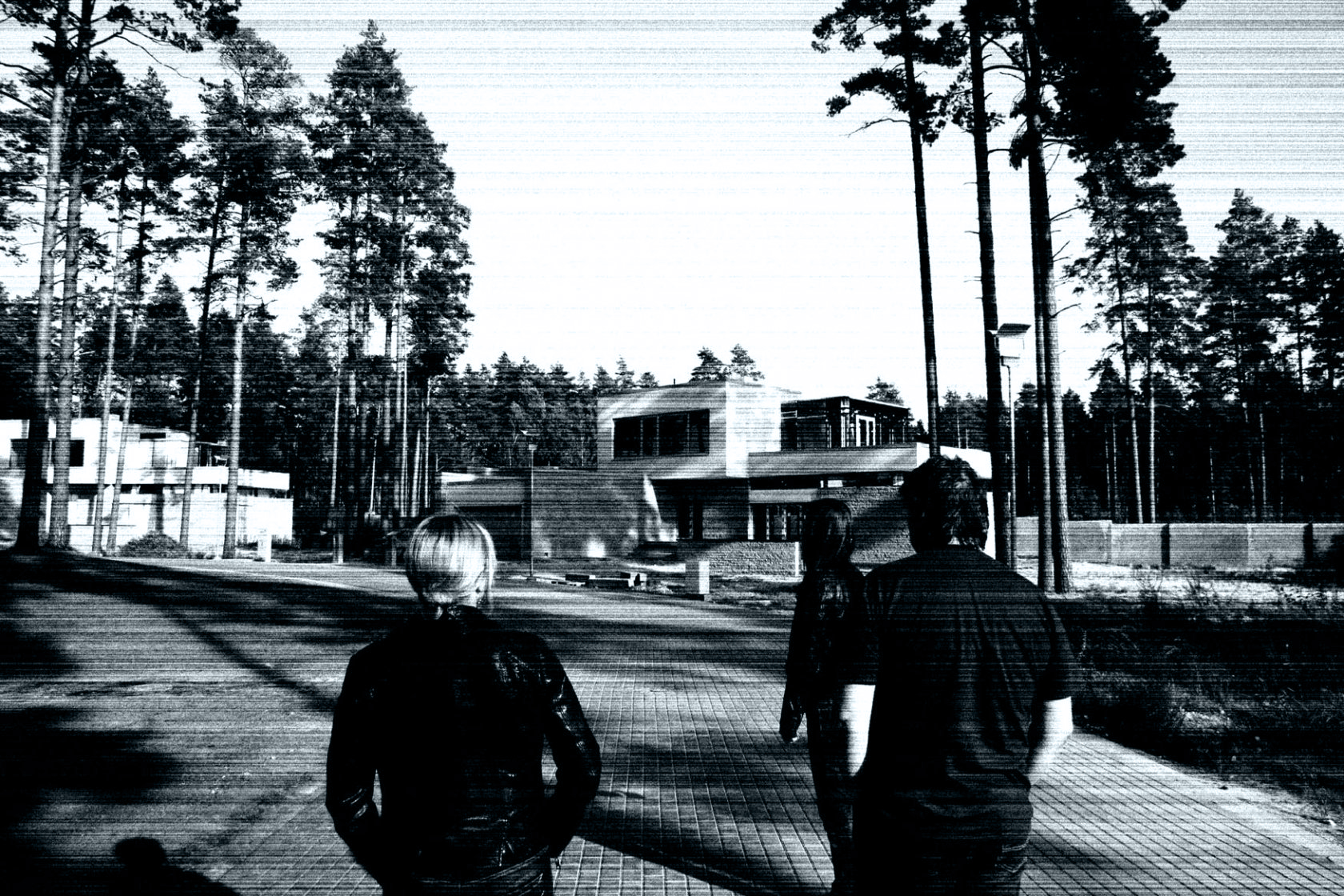
TAURENI VILLAGE
RIGA, a multifunctional complex of 80 000 m2 with a pine forest / park inside ... an unusual idea for the development of development ...
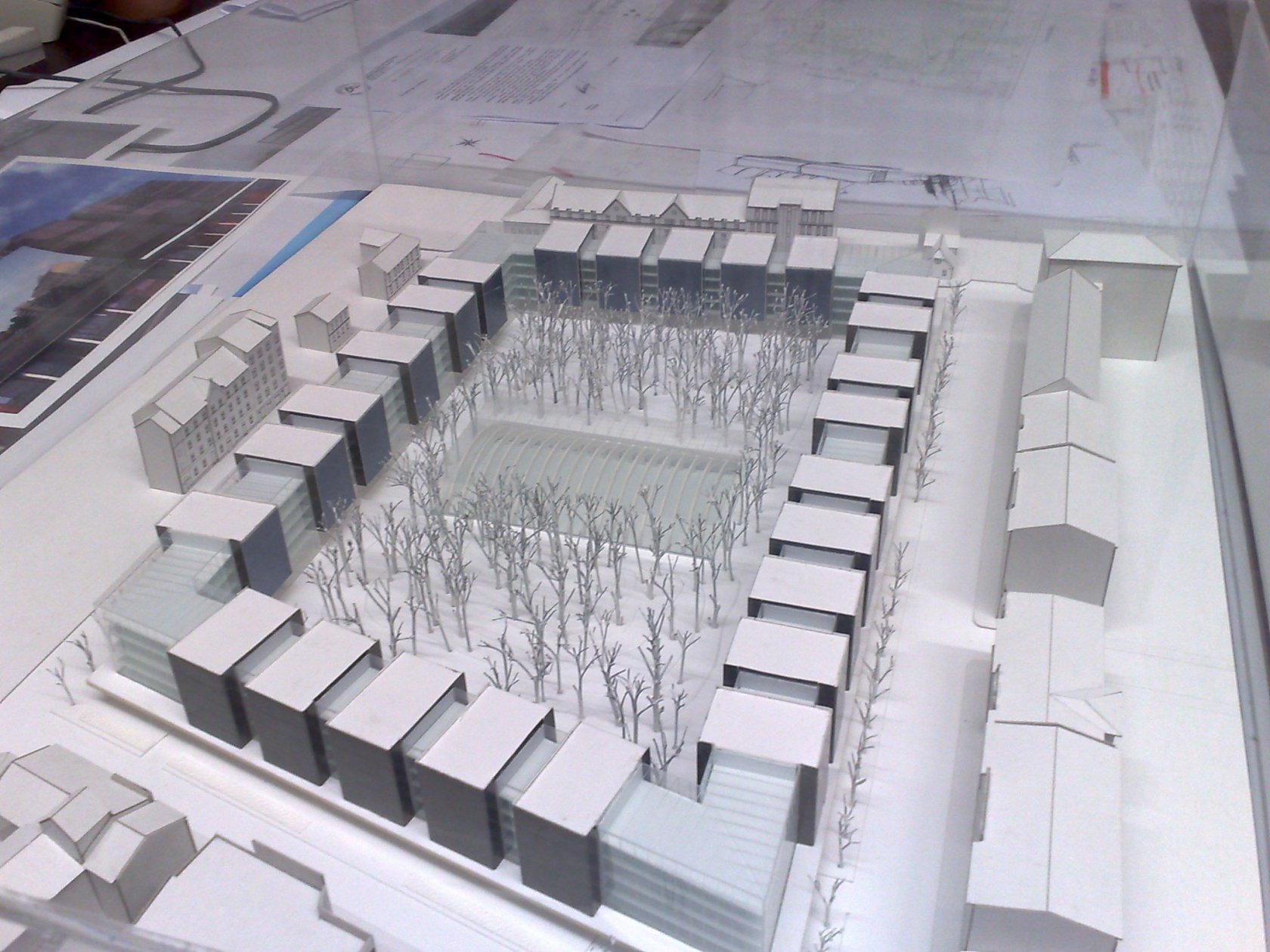
SQUARE
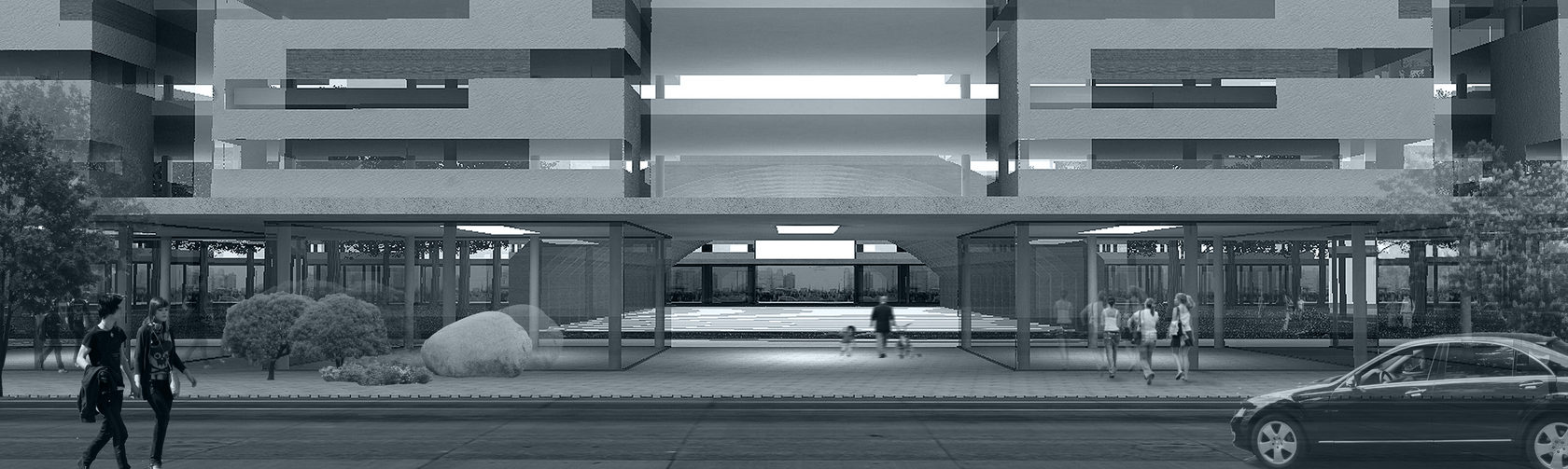
Glass and concrete ... but at the level of man-nature and comfort, pine forest and the smell of tar, poultry and squirrels ... stones of water and grass ... an attempt to look at the formation of the urban environment and the place of the person in it ...
SQUARE
Modular SPA center, on rough terrain / steep precipice of the Moscow River on Vorobyovy Gory /
Swimming pool, baths, yoga room, utility rooms and technical
Swimming pool, baths, yoga room, utility rooms and technical

MOBILEPOOL
ZEN denomination concept
SOLAR TEMPLE
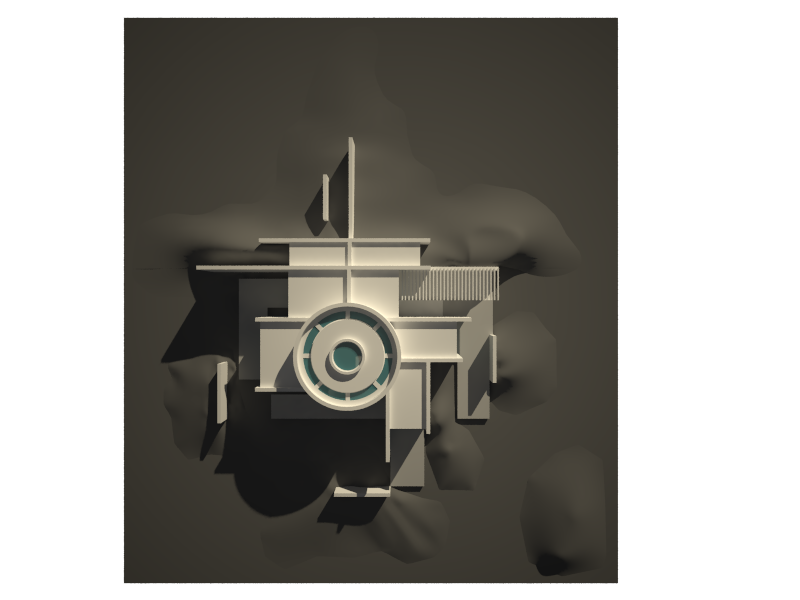
An apartment house on the shore of the Baltic Bay, 150 meters from the sea, in a pine forest, ascetic and at the same time majestic in its restraint ...

SAHNO
A terraced small 4 storey house in Jurmala, Majori is neatly inscribed in the natural context, the façade panels of the dark wood in combination with the open concrete merge with the trees ..

TOMSON
ANVAR
concept / idea / purpose
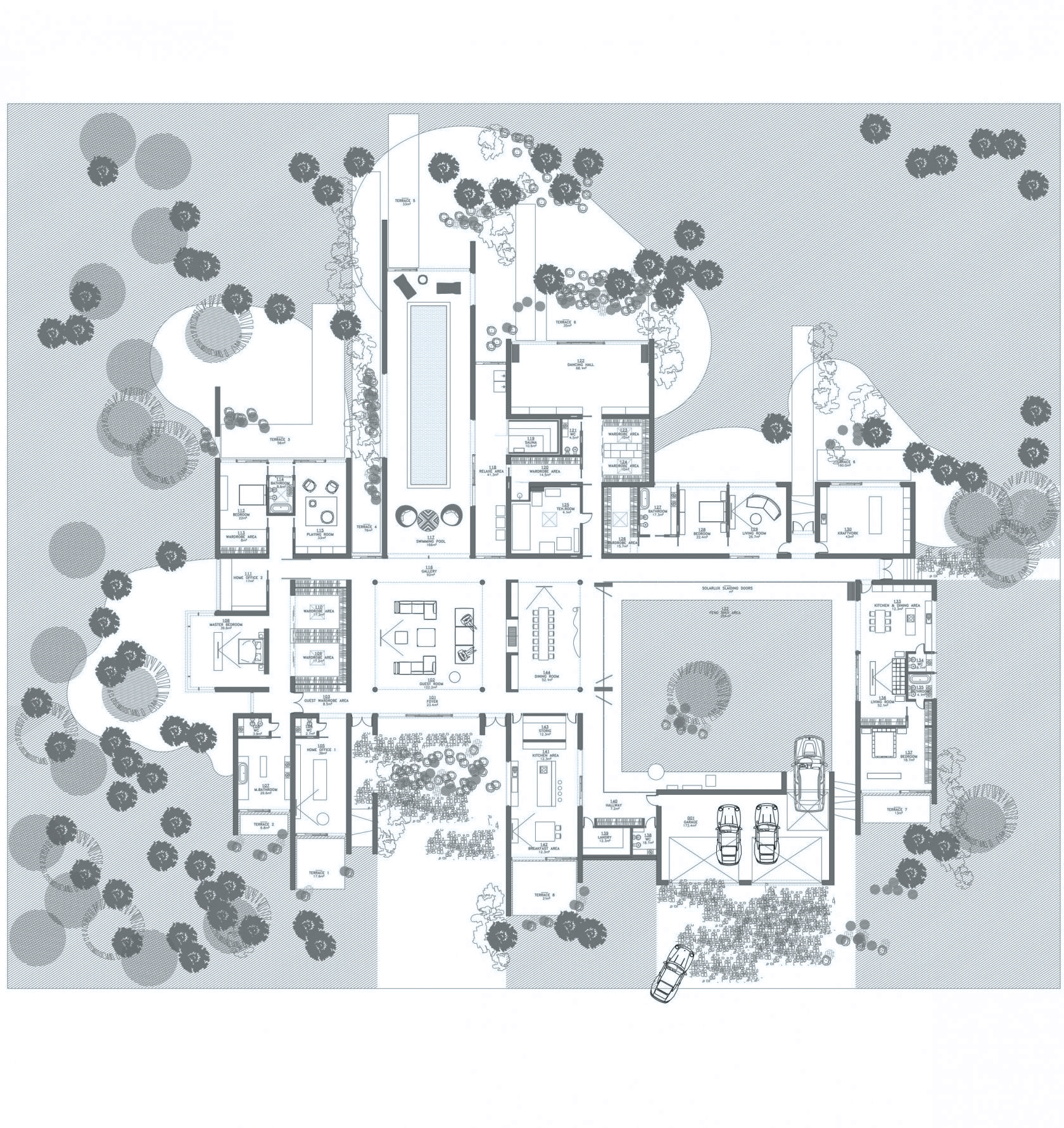
Private house / VILLA / 1000 m2 / for permanent residence. Moscow region, 30 km along the Kiev highway
The concept of a country house, an example of the principles of building an ORGANIC SPACE
The house as it grows out of the forest, as part of the forest, with an inner courtyard and flowing walls ...
Designed to order and a specific program, for a specific place.
The building was supposed to be one-storeyed with blocks of different heights and anti-aircraft lanterns.
Daylight penetrates into all rooms, it is part of the design and part of the house,
The flowing space, the absence of corridors, the modular structure, the HOUSE converted to itself,
HOUSE as an accomplishment, as a part of nature ...
Private house / VILLA / 1000 m2 / for permanent residence. Moscow region, 30 km along the Kiev highway
The concept of a country house, an example of the principles of building an ORGANIC SPACE
The house as it grows out of the forest, as part of the forest, with an inner courtyard and flowing walls ...
Designed to order and a specific program, for a specific place.
The building was supposed to be one-storeyed with blocks of different heights and anti-aircraft lanterns.
Daylight penetrates into all rooms, it is part of the design and part of the house,
The flowing space, the absence of corridors, the modular structure, the HOUSE converted to itself,
HOUSE as an accomplishment, as a part of nature ...
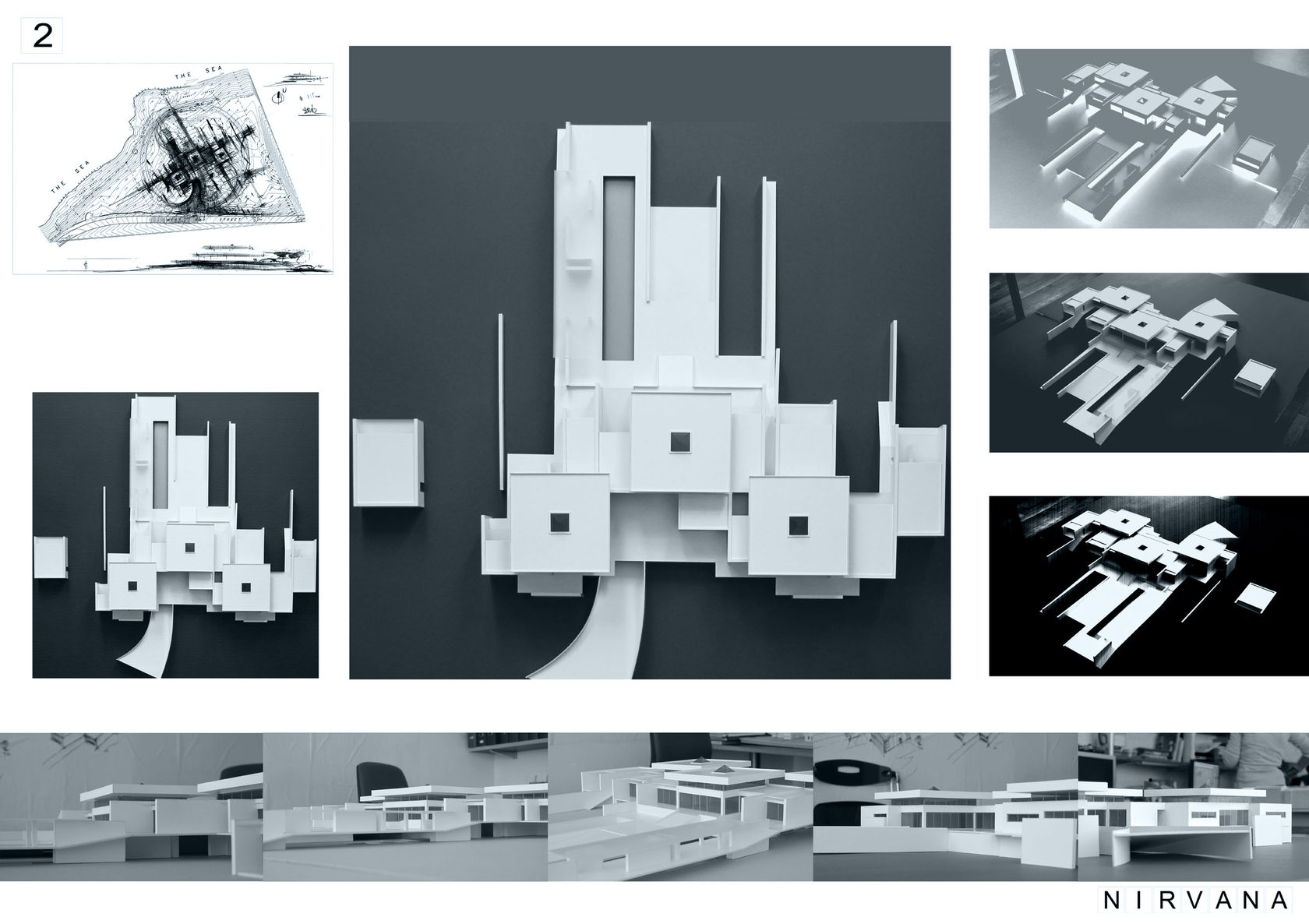
Competition project, Bahamas private house on the beach
NIRVANA
.... apple tree garden ... 5 hectares ... school in the garden ... outside the garden ... at the change to the garden ... every class in his house ... each house has its own apple trees ...

GARDEN SCHOOL
The concept of the building of the head office of the company. The ascetic volume with the second facade taken out of the metal grid. The original solution to the image of the office building and with a pragmatic context ... the grid is a facade self-cleaning

HEAD QUARTERS
WESTERN VALLEY) the beginning of glorious deeds) the first Moscow project ... did not succeed in much of what was conceived, faced with enormous inertia of thinking ... but the impression of openness and Baltic style was real
WEST VALLEY
One-storey minimalist house in the Western Valley, 25 km from Moscow along the Kiev highway ...
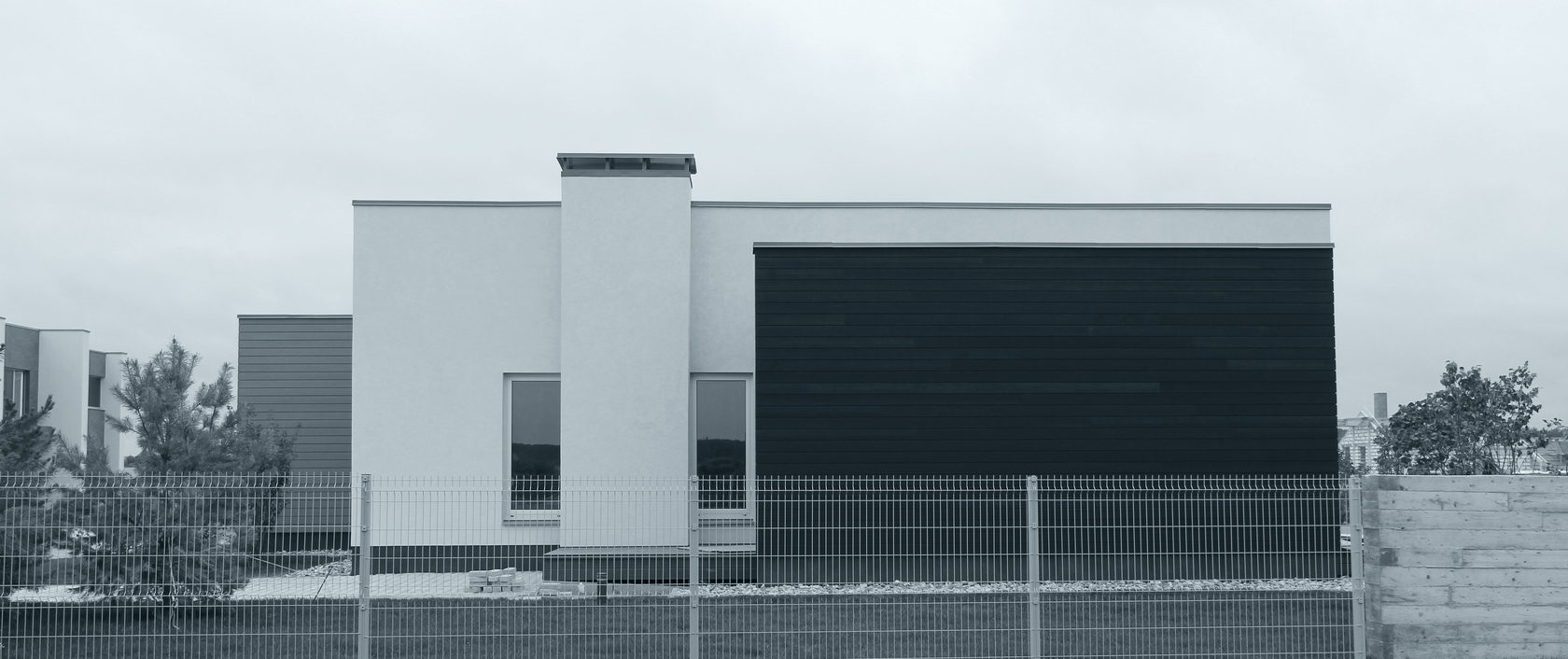
EU001
The Western Valley" - one of the few corresponding to the spirit of the times multi-format residential complexes of the Moscow region, unique in its architectural performance and quality of construction. The project combines the basic principles of the new urbanism: the quality of life, multifunctionality, diverse buildings, etc., which has been confirmed in numerous prestigious Russian and international awards.
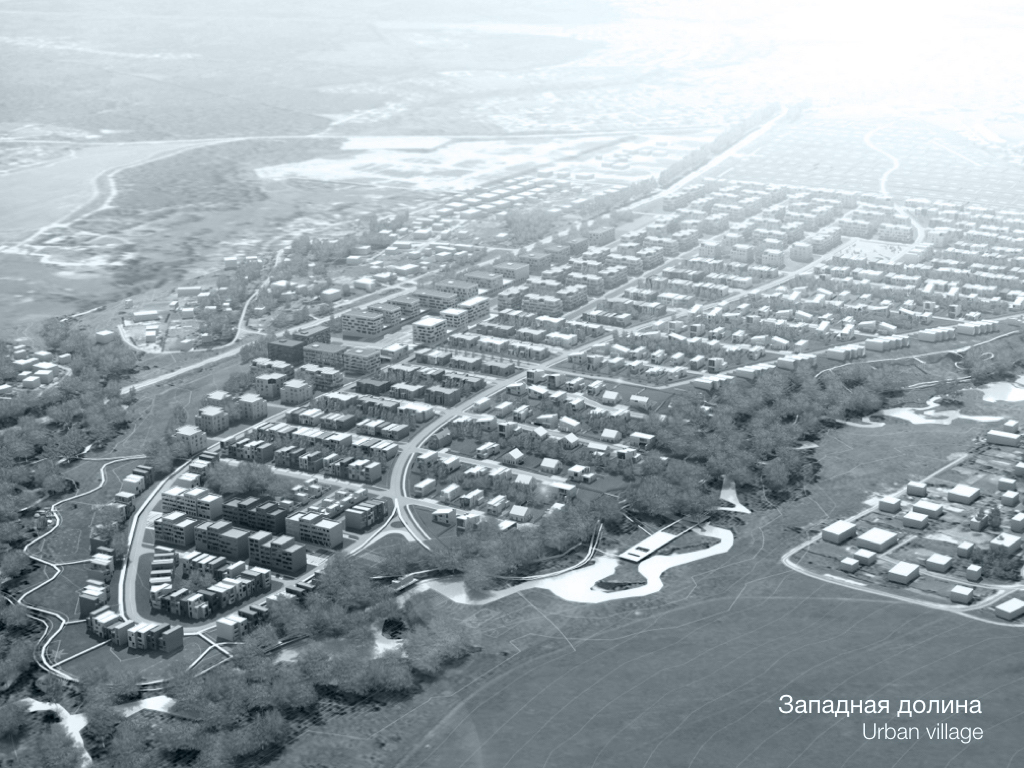
WEST WALLEY
Latvia, Riga, Juglatsiems district, multi-format settlement on the shore of the lake, 80 ha large-scale development project
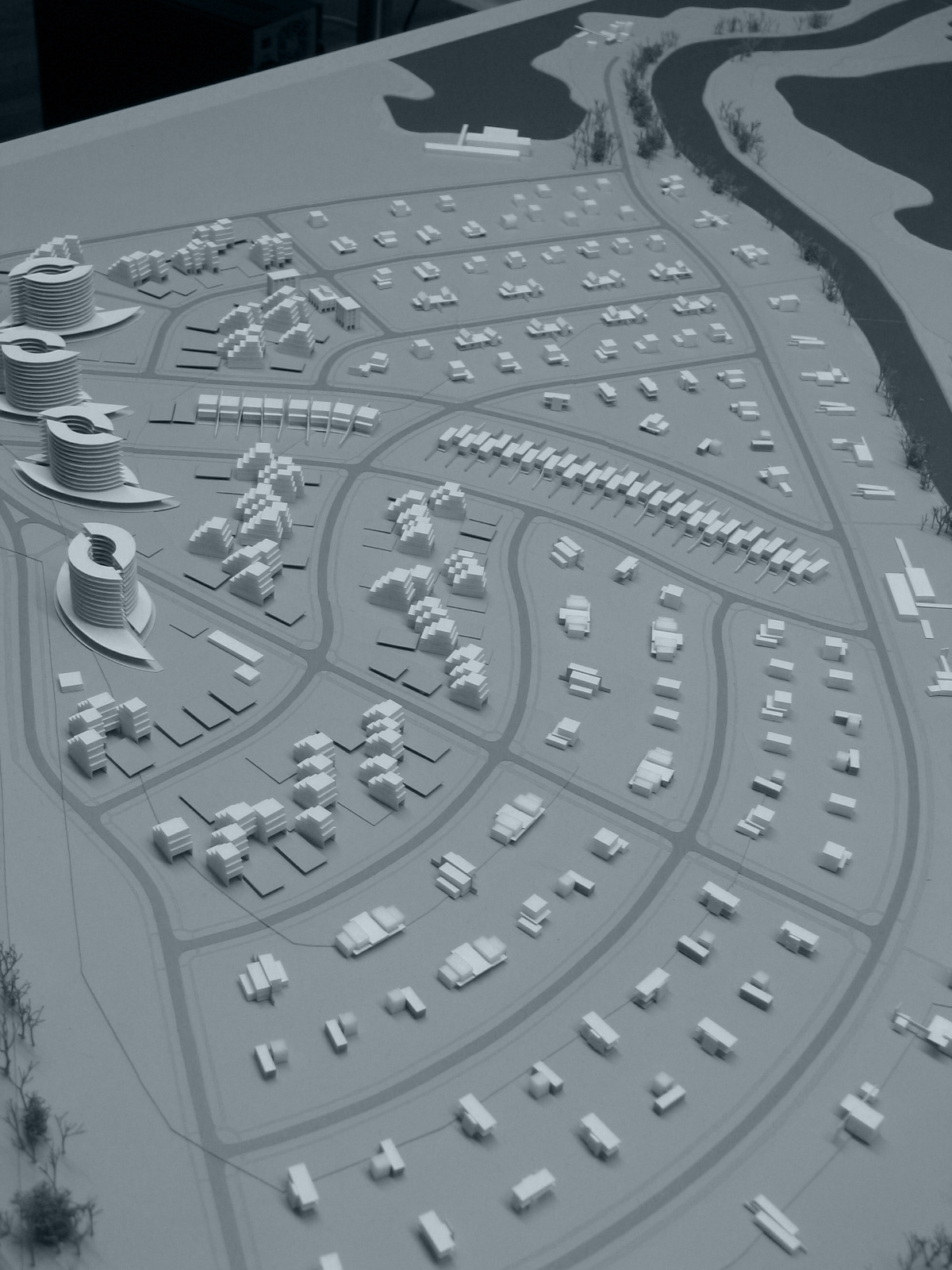
YU2
